Buy small-project.eu ?
We are moving the project
small-project.eu .
Are you interested in purchasing the domain
small-project.eu ?
domain@kv-gmbh.de · 0541-91531010
Buy small-project.eu ?
Marble or artificial marble?
The choice between marble and artificial marble depends on personal preference and budget. Marble is a natural stone known for its unique veining and luxurious appearance, but it can be more expensive and requires regular maintenance. On the other hand, artificial marble is a man-made material that can mimic the look of real marble at a lower cost, with the added benefit of being more durable and easier to maintain. Ultimately, the decision between the two will come down to individual priorities and needs. **
How can one make craft glue at home?
To make craft glue at home, you can mix together equal parts of flour and water in a saucepan. Heat the mixture over low heat, stirring constantly until it thickens to a glue-like consistency. Let it cool before using it for your craft projects. Another option is to mix together equal parts of cornstarch and cold water in a saucepan, then heat the mixture over low heat until it thickens. Let it cool before using as a homemade craft glue. **


Similar search terms for Storied-Home-Marble-Footed
Top-Angebote
Products related to Storied-Home-Marble-Footed:
-
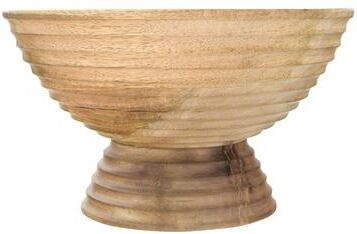
Storied Home Round Mango Wood Footed BowlMake the presentation of a salad even more appealing with this decorative acacia wood bowl raised on a decorative pedestal. It can also be a wonderful piece to fill with mixed nuts, miniature candy bars or other items.24,64 $*Shipping: 0,00 $Secure redirect to the provider
-
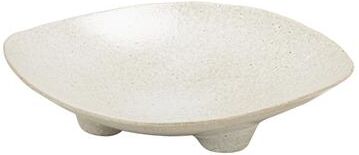
Storied Home "Stoneware Footed Platter - 16.75"" x 4"" H"Introduce refined simplicity to table settings with this Speckled Matte Cream Stoneware Footed Platter, thoughtfully designed to enhance both culinary displays and decorative arrangements.72,49 $*Shipping: 0,00 $Secure redirect to the provider


-
Is it true that left-footed players in football are better at using both feet than right-footed players?
There is no definitive evidence to suggest that left-footed players are inherently better at using both feet than right-footed players. While it is true that left-footed players may have more opportunities to practice using their right foot due to the dominance of right-footed players in the sport, individual skill and practice are the most important factors in a player's ability to use both feet effectively. Many right-footed players have also developed strong abilities with their non-dominant foot through dedicated training and practice. Ultimately, a player's ambidexterity is determined by their individual effort and commitment to developing their weaker foot, rather than their dominant foot. **
-
What creative activities can I do at home?
There are many creative activities you can do at home, such as painting, drawing, writing, crafting, cooking, and gardening. You can also try your hand at DIY projects, photography, or learning a new musical instrument. Additionally, there are plenty of online resources and tutorials available to help you explore new creative hobbies from the comfort of your home. **
-
Can a right-back also be left-footed?
Yes, a right-back can also be left-footed. While traditionally right-backs are right-footed, there are many left-footed players who have successfully played as right-backs. In fact, having a left-footed right-back can provide a tactical advantage as they can deliver crosses and passes with their stronger foot from the right side of the pitch. As long as the player is comfortable and proficient in playing on the right side with their left foot, they can certainly excel in the right-back position. **
-
What are creative ideas to combat boredom at home?
There are several creative ideas to combat boredom at home, such as starting a new hobby like painting or knitting, organizing a virtual game night with friends or family, creating a home workout routine, trying out new recipes and cooking meals from different cuisines, or starting a DIY home improvement project. Additionally, you could explore online courses to learn something new, start a journal or blog to document your thoughts and experiences, or create a vision board to set goals and aspirations for the future. These activities can help keep you engaged and entertained while spending time at home. **

How do I recognize a four-footed iambic meter?
A four-footed iambic meter is recognized by its pattern of four iambs, which are metrical feet consisting of one unstressed syllable followed by one stressed syllable. This creates a rhythmic pattern of da-DUM da-DUM da-DUM da-DUM. When reading a poem or verse, look for lines that consistently follow this pattern of four iambs per line. Additionally, pay attention to the natural stress and rhythm of the words to determine if they fit the iambic meter. **
What can I understand by a five-footed iambus?
A five-footed iambus refers to a line of poetry that contains five iambs, which are metrical feet consisting of an unstressed syllable followed by a stressed syllable (da-DUM). In other words, a five-footed iambus has five pairs of unstressed and stressed syllables, creating a rhythmic pattern. This type of meter is commonly found in English poetry and is often used to create a sense of regularity and musicality in the verse. **
Top-Angebote
Products related to Storied-Home-Marble-Footed:
-
Storied Home Round Mango Wood Footed BowlMake the presentation of a salad even more appealing with this decorative acacia wood bowl raised on a decorative pedestal. It can also be a wonderful piece to fill with mixed nuts, miniature candy bars or other items.24,64 $*Shipping: 0,00 $Secure redirect to the provider
-
Marble or artificial marble?
The choice between marble and artificial marble depends on personal preference and budget. Marble is a natural stone known for its unique veining and luxurious appearance, but it can be more expensive and requires regular maintenance. On the other hand, artificial marble is a man-made material that can mimic the look of real marble at a lower cost, with the added benefit of being more durable and easier to maintain. Ultimately, the decision between the two will come down to individual priorities and needs. **
-
How can one make craft glue at home?
To make craft glue at home, you can mix together equal parts of flour and water in a saucepan. Heat the mixture over low heat, stirring constantly until it thickens to a glue-like consistency. Let it cool before using it for your craft projects. Another option is to mix together equal parts of cornstarch and cold water in a saucepan, then heat the mixture over low heat until it thickens. Let it cool before using as a homemade craft glue. **
-
Is it true that left-footed players in football are better at using both feet than right-footed players?
There is no definitive evidence to suggest that left-footed players are inherently better at using both feet than right-footed players. While it is true that left-footed players may have more opportunities to practice using their right foot due to the dominance of right-footed players in the sport, individual skill and practice are the most important factors in a player's ability to use both feet effectively. Many right-footed players have also developed strong abilities with their non-dominant foot through dedicated training and practice. Ultimately, a player's ambidexterity is determined by their individual effort and commitment to developing their weaker foot, rather than their dominant foot. **
-
What creative activities can I do at home?
There are many creative activities you can do at home, such as painting, drawing, writing, crafting, cooking, and gardening. You can also try your hand at DIY projects, photography, or learning a new musical instrument. Additionally, there are plenty of online resources and tutorials available to help you explore new creative hobbies from the comfort of your home. **
Similar search terms for Storied-Home-Marble-Footed
-
Storied Home "Stoneware Footed Platter - 16.75"" x 4"" H"Introduce refined simplicity to table settings with this Speckled Matte Cream Stoneware Footed Platter, thoughtfully designed to enhance both culinary displays and decorative arrangements.72,49 $*Shipping: 0,00 $Secure redirect to the provider
-
Can a right-back also be left-footed?
Yes, a right-back can also be left-footed. While traditionally right-backs are right-footed, there are many left-footed players who have successfully played as right-backs. In fact, having a left-footed right-back can provide a tactical advantage as they can deliver crosses and passes with their stronger foot from the right side of the pitch. As long as the player is comfortable and proficient in playing on the right side with their left foot, they can certainly excel in the right-back position. **
-
What are creative ideas to combat boredom at home?
There are several creative ideas to combat boredom at home, such as starting a new hobby like painting or knitting, organizing a virtual game night with friends or family, creating a home workout routine, trying out new recipes and cooking meals from different cuisines, or starting a DIY home improvement project. Additionally, you could explore online courses to learn something new, start a journal or blog to document your thoughts and experiences, or create a vision board to set goals and aspirations for the future. These activities can help keep you engaged and entertained while spending time at home. **
-
How do I recognize a four-footed iambic meter?
A four-footed iambic meter is recognized by its pattern of four iambs, which are metrical feet consisting of one unstressed syllable followed by one stressed syllable. This creates a rhythmic pattern of da-DUM da-DUM da-DUM da-DUM. When reading a poem or verse, look for lines that consistently follow this pattern of four iambs per line. Additionally, pay attention to the natural stress and rhythm of the words to determine if they fit the iambic meter. **
-
What can I understand by a five-footed iambus?
A five-footed iambus refers to a line of poetry that contains five iambs, which are metrical feet consisting of an unstressed syllable followed by a stressed syllable (da-DUM). In other words, a five-footed iambus has five pairs of unstressed and stressed syllables, creating a rhythmic pattern. This type of meter is commonly found in English poetry and is often used to create a sense of regularity and musicality in the verse. **
* All prices are inclusive of VAT and, if applicable, plus shipping costs. The offer information is based on the details provided by the respective shop and is updated through automated processes. Real-time updates do not occur, so deviations can occur in individual cases. ** Note: Parts of this content were created by AI.