Buy small-project.eu ?
We are moving the project
small-project.eu .
Are you interested in purchasing the domain
small-project.eu ?
domain@kv-gmbh.de · 0541-91531010
Buy small-project.eu ?
Which type of rock mineral sparkles?
The type of rock mineral that sparkles is known as quartz. Quartz can have a variety of sparkly appearances due to the presence of inclusions or internal structures that reflect and refract light. This sparkling effect is often referred to as "druzy" or "sparkly quartz" and is commonly used in jewelry and decorative items for its beautiful and eye-catching appearance. **
Is the luminous clock radioactive?
No, the luminous clock is not radioactive. The luminescence in the clock is typically achieved using a phosphorescent material that absorbs light and then slowly releases it over time. This process does not involve any radioactive materials. The glow from the clock is simply a result of this light-absorption and emission process. **


Similar search terms for Sparkles-Home-Luminous-Round
Top-Angebote
Products related to Sparkles-Home-Luminous-Round:
-
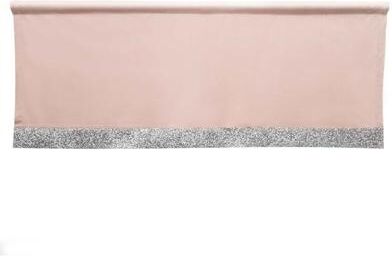
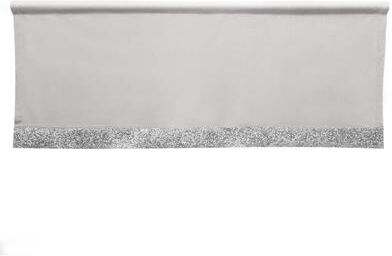
Sparkles Home Luminous Curtain PanelTake your curtains from boring to fabulous with our Luminous Curtain Panel. Crafted from soft, decadent velvet and featuring thousands of resin rhinestones, these draperies are the perfect addition to any living space.62,99 $*Shipping: 0,00 $Secure redirect to the provider
-
Sparkles Home Luminous Round Rhinestone PlacematDazzle and delight your guests with the Luminous Round Placemat from Sparkles Home. This round rhinestone placemat comes in a range of vibrant colors making it the ultimate placeholder for any table and occasion.21,19 $*Shipping: 0,00 $Secure redirect to the provider



-
What are self-luminous bodies?
Self-luminous bodies are objects that emit their own light, as opposed to reflecting light from another source. Examples of self-luminous bodies include stars, the sun, and certain types of light bulbs. These objects generate their own energy through processes like nuclear fusion or electrical current, which produces light as a byproduct. **
-
What is a luminous point?
A luminous point is a theoretical concept used in physics and optics to represent a source of light that emits light in all directions. It is often used as a simplification in the study of light and its behavior, allowing for easier calculations and analysis. In reality, a luminous point does not exist as a physical object, but it is a useful tool for understanding the behavior of light in various systems. **
-
Why is the luminous intensity and not the luminous flux specified for reflector lamps?
The luminous intensity is specified for reflector lamps because it measures the amount of light emitted in a specific direction, which is important for directional lighting applications such as spotlights and floodlights. Reflectors are designed to control and direct light in a specific direction, so specifying luminous intensity helps to ensure that the lamp is suitable for its intended purpose. Luminous flux, on the other hand, measures the total amount of visible light emitted by a source in all directions, which may not be as relevant for reflector lamps where the focus is on directing light in a specific direction. **
-
What is the difference between a self-luminous and an externally luminous object in physics?
In physics, a self-luminous object is one that produces its own light, such as the sun or a light bulb. These objects emit light due to internal processes, such as nuclear fusion or electrical excitation. On the other hand, an externally luminous object is one that reflects light from another source, such as the moon or a mirror. These objects do not produce their own light but appear illuminated due to the light they reflect from another source. **

How can the luminous duration of small LED lamps be extended?
The luminous duration of small LED lamps can be extended by using high-quality LED chips with efficient heat dissipation to prevent overheating, which can degrade the performance of the LEDs. Additionally, using a proper driver circuit and power supply can help regulate the voltage and current supplied to the LEDs, ensuring they operate within their optimal range. Finally, using LED lamps with a lower power output and implementing energy-saving features such as dimming controls can also help extend their luminous duration. **
What are self-luminous celestial bodies?
Self-luminous celestial bodies are objects in space that emit their own light and heat. This includes stars, which generate energy through nuclear fusion in their cores, as well as other luminous objects such as brown dwarfs and hot gas giants. These bodies are able to shine and be visible from Earth due to the light they produce, unlike non-luminous celestial bodies such as planets and moons, which reflect light from the Sun. **
Top-Angebote
Products related to Sparkles-Home-Luminous-Round:
-
Sparkles Home Luminous Round Rhinestone PlacematDazzle and delight your guests with the Luminous Round Placemat from Sparkles Home. This round rhinestone placemat comes in a range of vibrant colors making it the ultimate placeholder for any table and occasion.22,09 $*Shipping: 0,00 $Secure redirect to the provider
-
Sparkles Home Luminous Curtain PanelTake your curtains from boring to fabulous with our Luminous Curtain Panel. Crafted from soft, decadent velvet and featuring thousands of resin rhinestones, these draperies are the perfect addition to any living space.62,99 $*Shipping: 0,00 $Secure redirect to the provider
-
Sparkles Home Luminous Round Rhinestone PlacematDazzle and delight your guests with the Luminous Round Placemat from Sparkles Home. This round rhinestone placemat comes in a range of vibrant colors making it the ultimate placeholder for any table and occasion.21,19 $*Shipping: 0,00 $Secure redirect to the provider
-
Which type of rock mineral sparkles?
The type of rock mineral that sparkles is known as quartz. Quartz can have a variety of sparkly appearances due to the presence of inclusions or internal structures that reflect and refract light. This sparkling effect is often referred to as "druzy" or "sparkly quartz" and is commonly used in jewelry and decorative items for its beautiful and eye-catching appearance. **
-
Is the luminous clock radioactive?
No, the luminous clock is not radioactive. The luminescence in the clock is typically achieved using a phosphorescent material that absorbs light and then slowly releases it over time. This process does not involve any radioactive materials. The glow from the clock is simply a result of this light-absorption and emission process. **
-
What are self-luminous bodies?
Self-luminous bodies are objects that emit their own light, as opposed to reflecting light from another source. Examples of self-luminous bodies include stars, the sun, and certain types of light bulbs. These objects generate their own energy through processes like nuclear fusion or electrical current, which produces light as a byproduct. **
-
What is a luminous point?
A luminous point is a theoretical concept used in physics and optics to represent a source of light that emits light in all directions. It is often used as a simplification in the study of light and its behavior, allowing for easier calculations and analysis. In reality, a luminous point does not exist as a physical object, but it is a useful tool for understanding the behavior of light in various systems. **
Similar search terms for Sparkles-Home-Luminous-Round
-
Why is the luminous intensity and not the luminous flux specified for reflector lamps?
The luminous intensity is specified for reflector lamps because it measures the amount of light emitted in a specific direction, which is important for directional lighting applications such as spotlights and floodlights. Reflectors are designed to control and direct light in a specific direction, so specifying luminous intensity helps to ensure that the lamp is suitable for its intended purpose. Luminous flux, on the other hand, measures the total amount of visible light emitted by a source in all directions, which may not be as relevant for reflector lamps where the focus is on directing light in a specific direction. **
-
What is the difference between a self-luminous and an externally luminous object in physics?
In physics, a self-luminous object is one that produces its own light, such as the sun or a light bulb. These objects emit light due to internal processes, such as nuclear fusion or electrical excitation. On the other hand, an externally luminous object is one that reflects light from another source, such as the moon or a mirror. These objects do not produce their own light but appear illuminated due to the light they reflect from another source. **
-
How can the luminous duration of small LED lamps be extended?
The luminous duration of small LED lamps can be extended by using high-quality LED chips with efficient heat dissipation to prevent overheating, which can degrade the performance of the LEDs. Additionally, using a proper driver circuit and power supply can help regulate the voltage and current supplied to the LEDs, ensuring they operate within their optimal range. Finally, using LED lamps with a lower power output and implementing energy-saving features such as dimming controls can also help extend their luminous duration. **
-
What are self-luminous celestial bodies?
Self-luminous celestial bodies are objects in space that emit their own light and heat. This includes stars, which generate energy through nuclear fusion in their cores, as well as other luminous objects such as brown dwarfs and hot gas giants. These bodies are able to shine and be visible from Earth due to the light they produce, unlike non-luminous celestial bodies such as planets and moons, which reflect light from the Sun. **
* All prices are inclusive of VAT and, if applicable, plus shipping costs. The offer information is based on the details provided by the respective shop and is updated through automated processes. Real-time updates do not occur, so deviations can occur in individual cases. ** Note: Parts of this content were created by AI.