Buy small-project.eu ?
We are moving the project
small-project.eu .
Are you interested in purchasing the domain
small-project.eu ?
domain@kv-gmbh.de · 0541-91531010
Buy small-project.eu ?
What are small animals on pepper leaves?
Small animals on pepper leaves could be aphids, spider mites, or whiteflies. These pests can cause damage to the leaves by feeding on the plant's sap, which can lead to stunted growth and reduced yield. It's important to monitor pepper plants for these pests and take appropriate measures to control their populations, such as using insecticidal soap or introducing natural predators. Regular inspection and early intervention can help prevent these small animals from causing significant damage to pepper plants. **
Are walking leaves allowed to eat raspberry leaves?
Walking leaves, also known as leaf insects, are herbivorous and primarily feed on the leaves of certain plants. Raspberry leaves are safe for them to eat and can be a part of their diet. However, it's important to ensure that the raspberry leaves are free from any pesticides or chemicals that could be harmful to the walking leaves. Additionally, it's always a good idea to provide a varied diet for walking leaves to ensure they receive all the necessary nutrients. **

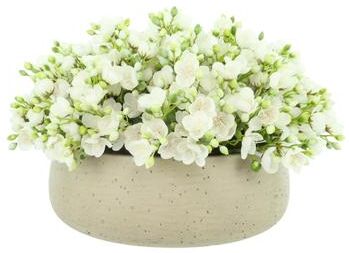
Similar search terms for Leaves
Top-Angebote
Products related to Leaves:
-
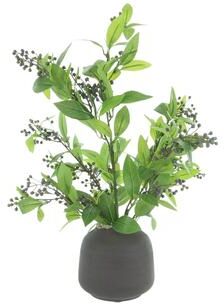
Creative Labs Laurel Leaves and Berries in Fiberstone VaseAdd a natural touch to your home with this lifelike faux laurel and berry plant in a modern fiberstone vase. Its vibrant green leaves provide a lush look without the need for water or sunlight.82,49 $*Shipping: 0,00 $Secure redirect to the provider
-
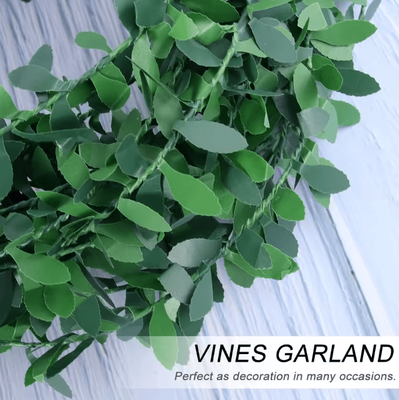
Uplift Curations GreenVibe Artificial Ivy Garland Flexible Green Leaves Vine For Wedding, DIY Headbands & Home Decor Styling GreenVibe Artificial Ivy Garland Flexible Green Leaves Vine For Wedding, DIY Headbands & Home Decor StylingAdd a fresh, natural touch to any setting with this versatile artificial ivy garland. Designed to mimic real foliage, it instantly enhances your space with vibrant greenerywithout the need for care or maintenance. Whether you're decorating for a...55,00 $*Shipping: 0,00 $Secure redirect to the provider


-
Why is my small apple tree getting brown leaves?
There are several possible reasons why your small apple tree may be getting brown leaves. It could be due to overwatering or underwatering, nutrient deficiencies, pests or diseases, or environmental stress such as extreme temperatures or poor soil conditions. It's important to closely examine the leaves for any signs of pests or diseases, and to ensure that the tree is receiving the proper amount of water and nutrients. If the issue persists, it may be helpful to consult with a local gardening expert or arborist for further assistance. **
-
Do sun leaves or shade leaves have more chlorophyll?
Sun leaves have more chlorophyll compared to shade leaves. This is because sun leaves are exposed to higher light intensity and need more chlorophyll to capture and convert light energy into chemical energy through photosynthesis. Shade leaves, on the other hand, receive less light and therefore have less chlorophyll to optimize their photosynthetic efficiency in low light conditions. **
-
Can tomato leaves and basil leaves touch each other?
Yes, tomato leaves and basil leaves can touch each other without any negative effects. In fact, planting tomatoes and basil together is a common practice in companion gardening as they are believed to benefit each other by repelling pests and enhancing each other's growth. Both plants have different growth habits and do not compete for space or resources, making them suitable companions in the garden. **
-
What are sun leaves and shade leaves in biology?
In biology, sun leaves and shade leaves refer to the different types of leaves that plants develop in response to varying light conditions. Sun leaves are typically smaller, thicker, and have a higher density of chlorophyll, which allows them to efficiently capture and utilize the intense sunlight in open, sunny environments. On the other hand, shade leaves are larger, thinner, and have a lower density of chlorophyll, which helps them maximize light capture in low-light, shaded areas. This adaptation allows plants to optimize their photosynthetic efficiency in different light environments. **


How can we craft for DIY enthusiasts?
To craft for DIY enthusiasts, it's important to provide projects that are creative, unique, and allow for personalization. Consider offering kits with all the necessary materials and instructions, as well as the option to customize or add personal touches. Providing a variety of projects across different skill levels and techniques can also appeal to a wide range of DIY enthusiasts. Additionally, incorporating trendy or seasonal themes can keep projects fresh and engaging for this audience. **
Are leaves digestible?
Leaves are generally not easily digestible for humans due to their high fiber content and tough cell walls. However, some animals like cows, goats, and insects have specialized digestive systems that allow them to break down and extract nutrients from leaves. In some cultures, certain types of leaves are cooked or processed in specific ways to make them more digestible for human consumption. Overall, the digestibility of leaves varies depending on the species and the digestive capabilities of the organism consuming them. **
Top-Angebote
Products related to Leaves:
-
Uplift Essentials 100pc Golden Silk Leaves Artificial Christmas Craft Decor DIY Wedding Wreaths And Festive Home Greenery 100pc Golden Silk Leaves Artificial Christmas Craft Decor DIY Wedding Wreaths And Festive Home GreeneryAdd a touch of opulent shimmer to your creative projects with our 100piece golden silk leaves set. These highquality Christmas craft decorations are designed to bring a luxurious metallic glow to any setting, from festive holiday mantels to elegant...44,97 $*Shipping: 0,00 $Secure redirect to the provider
-
Creative Labs Laurel Leaves and Berries in Fiberstone VaseAdd a natural touch to your home with this lifelike faux laurel and berry plant in a modern fiberstone vase. Its vibrant green leaves provide a lush look without the need for water or sunlight.82,49 $*Shipping: 0,00 $Secure redirect to the provider
-
What are small animals on pepper leaves?
Small animals on pepper leaves could be aphids, spider mites, or whiteflies. These pests can cause damage to the leaves by feeding on the plant's sap, which can lead to stunted growth and reduced yield. It's important to monitor pepper plants for these pests and take appropriate measures to control their populations, such as using insecticidal soap or introducing natural predators. Regular inspection and early intervention can help prevent these small animals from causing significant damage to pepper plants. **
-
Are walking leaves allowed to eat raspberry leaves?
Walking leaves, also known as leaf insects, are herbivorous and primarily feed on the leaves of certain plants. Raspberry leaves are safe for them to eat and can be a part of their diet. However, it's important to ensure that the raspberry leaves are free from any pesticides or chemicals that could be harmful to the walking leaves. Additionally, it's always a good idea to provide a varied diet for walking leaves to ensure they receive all the necessary nutrients. **
-
Why is my small apple tree getting brown leaves?
There are several possible reasons why your small apple tree may be getting brown leaves. It could be due to overwatering or underwatering, nutrient deficiencies, pests or diseases, or environmental stress such as extreme temperatures or poor soil conditions. It's important to closely examine the leaves for any signs of pests or diseases, and to ensure that the tree is receiving the proper amount of water and nutrients. If the issue persists, it may be helpful to consult with a local gardening expert or arborist for further assistance. **
-
Do sun leaves or shade leaves have more chlorophyll?
Sun leaves have more chlorophyll compared to shade leaves. This is because sun leaves are exposed to higher light intensity and need more chlorophyll to capture and convert light energy into chemical energy through photosynthesis. Shade leaves, on the other hand, receive less light and therefore have less chlorophyll to optimize their photosynthetic efficiency in low light conditions. **
Similar search terms for Leaves
-
Uplift Curations GreenVibe Artificial Ivy Garland Flexible Green Leaves Vine For Wedding, DIY Headbands & Home Decor Styling GreenVibe Artificial Ivy Garland Flexible Green Leaves Vine For Wedding, DIY Headbands & Home Decor StylingAdd a fresh, natural touch to any setting with this versatile artificial ivy garland. Designed to mimic real foliage, it instantly enhances your space with vibrant greenerywithout the need for care or maintenance. Whether you're decorating for a...55,00 $*Shipping: 0,00 $Secure redirect to the provider
-
SAFAVIEH Handmade Soho Husniye Leaves N.Z. Wool RugThe Soho Collection reflects the growing trend toward clean, transitional design in soft, textural area rugs. Premium New Zealand wool delivers incredible clarity of color in striking, fashion-forward designs.687,98 $*Shipping: 0,00 $Secure redirect to the provider
-
Novica Handmade Ivy Leaves Ceramic Serving Bowls (Pair)Handcrafted of ceramic, two delightful ivy leaves make an excellent addition to your dining room or next get-together. Presented by Penpan, these serving bowls are finished with a crackled blue glaze.135,98 $*Shipping: 0,00 $Secure redirect to the provider
-
Can tomato leaves and basil leaves touch each other?
Yes, tomato leaves and basil leaves can touch each other without any negative effects. In fact, planting tomatoes and basil together is a common practice in companion gardening as they are believed to benefit each other by repelling pests and enhancing each other's growth. Both plants have different growth habits and do not compete for space or resources, making them suitable companions in the garden. **
-
What are sun leaves and shade leaves in biology?
In biology, sun leaves and shade leaves refer to the different types of leaves that plants develop in response to varying light conditions. Sun leaves are typically smaller, thicker, and have a higher density of chlorophyll, which allows them to efficiently capture and utilize the intense sunlight in open, sunny environments. On the other hand, shade leaves are larger, thinner, and have a lower density of chlorophyll, which helps them maximize light capture in low-light, shaded areas. This adaptation allows plants to optimize their photosynthetic efficiency in different light environments. **
-
How can we craft for DIY enthusiasts?
To craft for DIY enthusiasts, it's important to provide projects that are creative, unique, and allow for personalization. Consider offering kits with all the necessary materials and instructions, as well as the option to customize or add personal touches. Providing a variety of projects across different skill levels and techniques can also appeal to a wide range of DIY enthusiasts. Additionally, incorporating trendy or seasonal themes can keep projects fresh and engaging for this audience. **
-
Are leaves digestible?
Leaves are generally not easily digestible for humans due to their high fiber content and tough cell walls. However, some animals like cows, goats, and insects have specialized digestive systems that allow them to break down and extract nutrients from leaves. In some cultures, certain types of leaves are cooked or processed in specific ways to make them more digestible for human consumption. Overall, the digestibility of leaves varies depending on the species and the digestive capabilities of the organism consuming them. **
* All prices are inclusive of VAT and, if applicable, plus shipping costs. The offer information is based on the details provided by the respective shop and is updated through automated processes. Real-time updates do not occur, so deviations can occur in individual cases. ** Note: Parts of this content were created by AI.