Buy small-project.eu ?
We are moving the project
small-project.eu .
Are you interested in purchasing the domain
small-project.eu ?
domain@kv-gmbh.de · 0541-91531010
Buy small-project.eu ?
Is damask bedding good?
Yes, damask bedding is considered to be good for several reasons. Damask fabric is known for its luxurious and elegant appearance, making it a popular choice for bedding. It is also durable and has a high thread count, which contributes to its quality and longevity. Additionally, damask bedding often has a smooth and soft texture, providing a comfortable sleeping experience. Overall, damask bedding is a good choice for those looking for a combination of style, durability, and comfort in their bedding. **
How do you care for damask tablecloths?
To care for damask tablecloths, it is recommended to wash them in cold water with a gentle detergent on a delicate cycle. Avoid using bleach or harsh chemicals that can damage the fabric. It is best to air dry the tablecloth or use a low heat setting in the dryer to prevent shrinking. Iron the tablecloth on a low heat setting while it is still slightly damp to remove any wrinkles and maintain its crisp appearance. Store the tablecloth in a cool, dry place to prevent mildew or discoloration. **

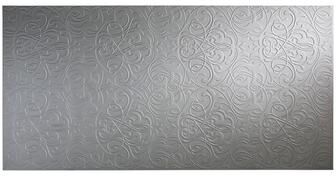
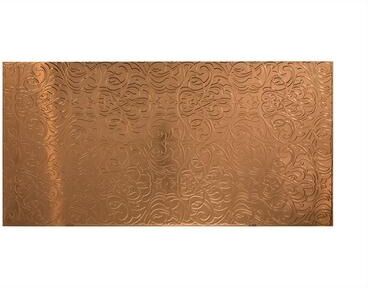
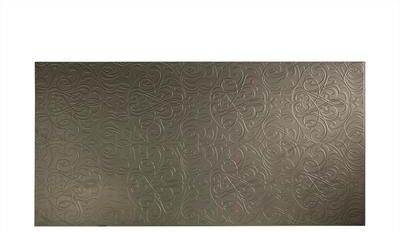
Similar search terms for Fasade-FASÄDE-Damask-4-foot
Top-Angebote
Products related to Fasade-FASÄDE-Damask-4-foot:
-
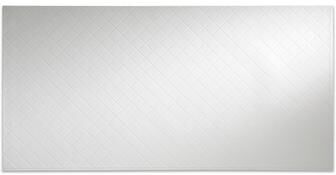
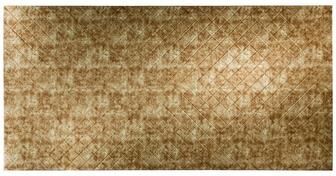
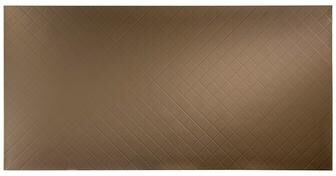
Fasade FASÄDE Quilted 4-foot x 8-foot PVC Wall Panel in Brushed AluminumFASÄDE decorative 4 ft. x 8 ft. vinyl wall panels easily transform any room with their unique architectural design at a fraction of the cost of other decorative panels.205,05 $*Shipping: 0,00 $Secure redirect to the provider

-
What is a 4-4-3-hebiger iambic foot?
A 4-4-3-hebiger iambic foot is a metrical foot in poetry that consists of 11 syllables divided into three groups: the first group has 4 syllables, the second group has 4 syllables, and the third group has 3 syllables. Each syllable is either unstressed (represented by a breve symbol) or stressed (represented by a macron symbol), following the pattern of an iambic foot where the stress falls on every other syllable. This type of foot is commonly used in German poetry. **
-
How can one etch damask with vinegar essence?
To etch damask with vinegar essence, you can start by diluting the vinegar essence with water in a 1:1 ratio. Next, apply the diluted vinegar essence onto the damask fabric using a brush or sponge. Allow the vinegar essence to sit on the fabric for a few minutes to penetrate the fibers. Finally, rinse the fabric thoroughly with water to remove the vinegar essence and reveal the etched design on the damask. **
-
Is it called Damascus, Damask, or Damascus steel?
The correct term is Damascus steel. It is a type of steel characterized by distinctive patterns of banding and mottling reminiscent of flowing water. The name comes from the city of Damascus, where it was historically produced. The term Damask is often used interchangeably with Damascus steel, but technically refers to a type of fabric with a similar woven pattern. **
-
How can one create a DIY splint for the foot?
To create a DIY splint for the foot, you can use materials like a sturdy piece of cardboard or a wooden ruler. Cut the material to the appropriate size to support the foot and ankle. Secure the splint in place using bandages or medical tape. It's important to ensure the splint is snug but not too tight to restrict blood flow. Remember to seek medical attention if there is severe pain or swelling. **
How can one make a DIY brace for the foot?
To make a DIY brace for the foot, you can use materials such as a sturdy fabric, Velcro straps, and padding. Measure the foot and ankle to ensure a proper fit, then cut the fabric to the appropriate size. Add padding for comfort and stability, and attach Velcro straps to secure the brace in place. It's important to consult with a healthcare professional before making and using a DIY brace to ensure it is suitable for your specific needs. **
How can one make a DIY splint for the foot?
To make a DIY splint for the foot, you can use materials like a sturdy piece of cardboard or a wooden ruler. Cut the material to the appropriate length to support the foot and ankle. Secure the splint in place using bandages or tape, making sure it is snug but not too tight. It is important to seek medical advice if you suspect a foot injury before applying a splint. **
Top-Angebote
Products related to Fasade-FASÄDE-Damask-4-foot:
-
Is damask bedding good?
Yes, damask bedding is considered to be good for several reasons. Damask fabric is known for its luxurious and elegant appearance, making it a popular choice for bedding. It is also durable and has a high thread count, which contributes to its quality and longevity. Additionally, damask bedding often has a smooth and soft texture, providing a comfortable sleeping experience. Overall, damask bedding is a good choice for those looking for a combination of style, durability, and comfort in their bedding. **
-
How do you care for damask tablecloths?
To care for damask tablecloths, it is recommended to wash them in cold water with a gentle detergent on a delicate cycle. Avoid using bleach or harsh chemicals that can damage the fabric. It is best to air dry the tablecloth or use a low heat setting in the dryer to prevent shrinking. Iron the tablecloth on a low heat setting while it is still slightly damp to remove any wrinkles and maintain its crisp appearance. Store the tablecloth in a cool, dry place to prevent mildew or discoloration. **
-
What is a 4-4-3-hebiger iambic foot?
A 4-4-3-hebiger iambic foot is a metrical foot in poetry that consists of 11 syllables divided into three groups: the first group has 4 syllables, the second group has 4 syllables, and the third group has 3 syllables. Each syllable is either unstressed (represented by a breve symbol) or stressed (represented by a macron symbol), following the pattern of an iambic foot where the stress falls on every other syllable. This type of foot is commonly used in German poetry. **
-
How can one etch damask with vinegar essence?
To etch damask with vinegar essence, you can start by diluting the vinegar essence with water in a 1:1 ratio. Next, apply the diluted vinegar essence onto the damask fabric using a brush or sponge. Allow the vinegar essence to sit on the fabric for a few minutes to penetrate the fibers. Finally, rinse the fabric thoroughly with water to remove the vinegar essence and reveal the etched design on the damask. **
Similar search terms for Fasade-FASÄDE-Damask-4-foot
-
Fasade FASÄDE Quilted 4-foot x 8-foot PVC Wall Panel in Brushed AluminumFASÄDE decorative 4 ft. x 8 ft. vinyl wall panels easily transform any room with their unique architectural design at a fraction of the cost of other decorative panels.205,05 $*Shipping: 0,00 $Secure redirect to the provider
-
Is it called Damascus, Damask, or Damascus steel?
The correct term is Damascus steel. It is a type of steel characterized by distinctive patterns of banding and mottling reminiscent of flowing water. The name comes from the city of Damascus, where it was historically produced. The term Damask is often used interchangeably with Damascus steel, but technically refers to a type of fabric with a similar woven pattern. **
-
How can one create a DIY splint for the foot?
To create a DIY splint for the foot, you can use materials like a sturdy piece of cardboard or a wooden ruler. Cut the material to the appropriate size to support the foot and ankle. Secure the splint in place using bandages or medical tape. It's important to ensure the splint is snug but not too tight to restrict blood flow. Remember to seek medical attention if there is severe pain or swelling. **
-
How can one make a DIY brace for the foot?
To make a DIY brace for the foot, you can use materials such as a sturdy fabric, Velcro straps, and padding. Measure the foot and ankle to ensure a proper fit, then cut the fabric to the appropriate size. Add padding for comfort and stability, and attach Velcro straps to secure the brace in place. It's important to consult with a healthcare professional before making and using a DIY brace to ensure it is suitable for your specific needs. **
-
How can one make a DIY splint for the foot?
To make a DIY splint for the foot, you can use materials like a sturdy piece of cardboard or a wooden ruler. Cut the material to the appropriate length to support the foot and ankle. Secure the splint in place using bandages or tape, making sure it is snug but not too tight. It is important to seek medical advice if you suspect a foot injury before applying a splint. **
* All prices are inclusive of VAT and, if applicable, plus shipping costs. The offer information is based on the details provided by the respective shop and is updated through automated processes. Real-time updates do not occur, so deviations can occur in individual cases. ** Note: Parts of this content were created by AI.