Buy small-project.eu ?
We are moving the project
small-project.eu .
Are you interested in purchasing the domain
small-project.eu ?
domain@kv-gmbh.de · 0541-91531010
Buy small-project.eu ?
What is the difference between potting soil, peat soil, vegetable soil, and grave soil?
Potting soil is a general-purpose soil mix that is suitable for growing a wide variety of plants in containers. It is typically a blend of organic materials such as peat moss, compost, and perlite or vermiculite for drainage. Peat soil, on the other hand, is made primarily of decomposed sphagnum moss and is often used to improve soil structure and water retention in garden beds. Vegetable soil is specifically formulated for growing vegetables and typically contains a balanced mix of nutrients and organic matter to support healthy vegetable growth. Grave soil, also known as topsoil, is a general-purpose soil used for filling in garden beds, leveling the ground, or creating new planting areas. It is typically a mix of sand, silt, and clay with added organic matter. **
What are small worms in potting soil?
Small worms in potting soil are likely potworms, which are tiny white or translucent worms that are commonly found in organic-rich soil. These worms help to break down organic matter and improve soil structure, making them beneficial for the health of the soil. They are not harmful to plants and are generally a sign of healthy, well-balanced soil. If their population becomes too large, it may be a sign of overwatering or overfeeding, so adjusting watering and feeding practices can help manage their numbers. **
Similar search terms for Soil
Top-Angebote
Products related to Soil:
-
VEIKOUS Versatile DIY Wood Privacy Screen Fence, Outdoor Screen for Hard Surfaces & Soil,Dual Setup ModesFlexible DIY Combination This fence privacy screen can be seamlessly combined into an L-shape or a straight line in any direction, allowing you to DIY more scenes to perfectly fit your garden, patio, or pool area.247,99 $*Shipping: 0,00 $Secure redirect to the provider
-
Alora Decor Sanction Multi Color Cracked Soil Abstract RugThis Alora Decor Sanction Abstract Rug brings the look of cracked soil with the ivory and grey pattern on the background while brilliant jewel tones of blue, gold, pink, and burgundy make their way to the surface -- a treasure in waiting.105,49 $*Shipping: 0,00 $Secure redirect to the provider
-
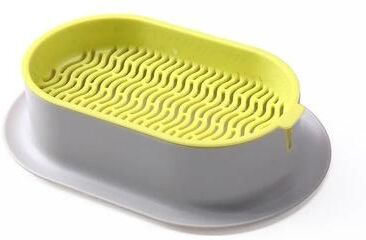
Uplift Essentials Soil Free Hydroponic Cat Grass Planter yellowPromote your pets digestive wellness with a clean, messfree way to grow organic greens at home. This hydroponic cat grass box is a professionalgrade cultivation system designed to provide your feline with a fresh supply of nutrientrich fiber....59,97 $*Shipping: 0,00 $Secure redirect to the provider



-
What are small green pellets in the soil?
Small green pellets in the soil are likely to be slow-release fertilizer or organic fertilizer pellets. These pellets are designed to slowly release nutrients into the soil as they break down, providing a steady supply of nutrients to plants over time. They are often used to improve soil fertility and promote healthy plant growth. **
-
Can coconut soil be mixed with regular potting soil?
Yes, coconut soil can be mixed with regular potting soil to create a well-draining and nutrient-rich growing medium for plants. Coconut soil, also known as coir or coco coir, is a sustainable and eco-friendly alternative to peat moss. When mixed with regular potting soil, coconut soil helps improve soil aeration, water retention, and nutrient absorption, making it a great option for gardening and container planting. **
-
Why are soil samples taken for possible soil contaminants?
Soil samples are taken for possible soil contaminants to assess the level of pollution and potential risks to human health and the environment. Contaminants such as heavy metals, pesticides, and industrial chemicals can accumulate in soil and pose a threat to ecosystems and human health. By analyzing soil samples, scientists and environmental professionals can identify the presence and concentration of contaminants, determine the extent of contamination, and develop appropriate remediation and management strategies to protect the environment and public health. **
-
What are the small balls on the flower soil?
The small balls on the flower soil are likely to be a type of soil amendment called perlite or vermiculite. These materials are often added to potting soil to improve aeration and drainage, which can help prevent the soil from becoming too compacted and waterlogged. Perlite is made from volcanic glass and is lightweight and porous, while vermiculite is a natural mineral that expands when heated, also improving soil aeration and water retention. Both materials are commonly used in gardening to create a healthier growing environment for plants. **

What is the difference between soil erosion and soil degradation?
Soil erosion refers to the physical removal of topsoil by wind, water, or other natural forces, leading to the loss of fertile soil. On the other hand, soil degradation is a broader term that encompasses various processes that deteriorate the quality of soil, such as chemical contamination, compaction, salinization, and nutrient depletion. While soil erosion is a specific type of soil degradation, soil degradation can occur through other means beyond just erosion. **
What is soil salinization and how can soil be irrigated?
Soil salinization is the accumulation of salts in the soil, which can negatively impact plant growth and crop productivity. To irrigate soil and help manage salinity levels, farmers can use techniques such as drip irrigation, which delivers water directly to the plant roots in a controlled manner, reducing the risk of salt buildup. Additionally, farmers can implement practices like leaching, where excess water is applied to the soil to flush out accumulated salts, helping to restore the soil's natural balance. **
Top-Angebote
Products related to Soil:
-
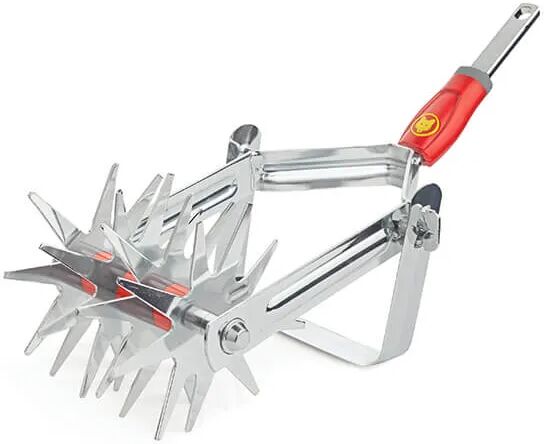
Wolf Garten Multi-Change Soil MillerThe Wolf Garten Multi-Change Soil Miller is suitable for breaking up soil into fine tilth, removing weeds and preparing your earth before planting and sowing seeds. This essential tool also helps to mix peat, manure or fertiliser into the soil with little effort. The rear blade provides stability whilst you work, making it ideal for larger areas. Designed to be used with your choice of handle (sold separately) with a simple push of the button and a gentle click. Made in Germany and complete with a 35 year manufacturers guarantee. Dimensions: 25(H) x 15(W) x 12(L)cm.52,19 £*Shipping: 0,00 £Secure redirect to the provider
-
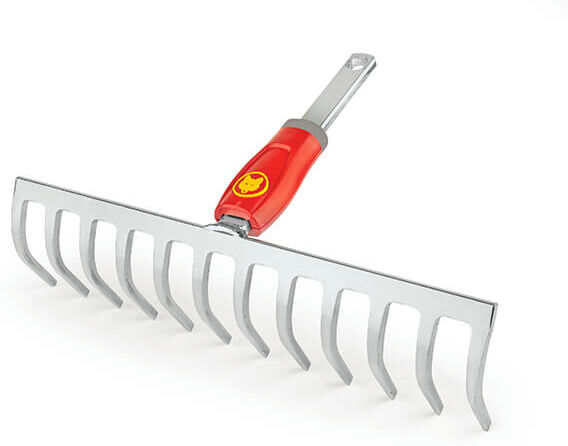
Wolf Garten Multi-Change 30cm Soil RakeThe Wolf Garten Multi-Change Soil Rake 30cm is the perfect all rounder for everyday gardening tasks. The high quality steel head has 12 curved teeth allowing easy soil penetration and ideal for clearing garden debris and loosening soil in preparation for planting. Designed to be used with your choice of handle (sold separately) with a simple push of the button and a gentle click. Made in Germany and complete with a 35 year manufacturers guarantee. Dimensions: 22(H) x 30(W) x 12(L)cm.23,39 £*Shipping: 3,50 £Secure redirect to the provider
-
VEIKOUS Versatile DIY Wood Privacy Screen Fence, Outdoor Screen for Hard Surfaces & Soil,Dual Setup ModesFlexible DIY Combination This fence privacy screen can be seamlessly combined into an L-shape or a straight line in any direction, allowing you to DIY more scenes to perfectly fit your garden, patio, or pool area.247,99 $*Shipping: 0,00 $Secure redirect to the provider
-
Alora Decor Sanction Multi Color Cracked Soil Abstract RugThis Alora Decor Sanction Abstract Rug brings the look of cracked soil with the ivory and grey pattern on the background while brilliant jewel tones of blue, gold, pink, and burgundy make their way to the surface -- a treasure in waiting.105,49 $*Shipping: 0,00 $Secure redirect to the provider
-
What is the difference between potting soil, peat soil, vegetable soil, and grave soil?
Potting soil is a general-purpose soil mix that is suitable for growing a wide variety of plants in containers. It is typically a blend of organic materials such as peat moss, compost, and perlite or vermiculite for drainage. Peat soil, on the other hand, is made primarily of decomposed sphagnum moss and is often used to improve soil structure and water retention in garden beds. Vegetable soil is specifically formulated for growing vegetables and typically contains a balanced mix of nutrients and organic matter to support healthy vegetable growth. Grave soil, also known as topsoil, is a general-purpose soil used for filling in garden beds, leveling the ground, or creating new planting areas. It is typically a mix of sand, silt, and clay with added organic matter. **
-
What are small worms in potting soil?
Small worms in potting soil are likely potworms, which are tiny white or translucent worms that are commonly found in organic-rich soil. These worms help to break down organic matter and improve soil structure, making them beneficial for the health of the soil. They are not harmful to plants and are generally a sign of healthy, well-balanced soil. If their population becomes too large, it may be a sign of overwatering or overfeeding, so adjusting watering and feeding practices can help manage their numbers. **
-
What are small green pellets in the soil?
Small green pellets in the soil are likely to be slow-release fertilizer or organic fertilizer pellets. These pellets are designed to slowly release nutrients into the soil as they break down, providing a steady supply of nutrients to plants over time. They are often used to improve soil fertility and promote healthy plant growth. **
-
Can coconut soil be mixed with regular potting soil?
Yes, coconut soil can be mixed with regular potting soil to create a well-draining and nutrient-rich growing medium for plants. Coconut soil, also known as coir or coco coir, is a sustainable and eco-friendly alternative to peat moss. When mixed with regular potting soil, coconut soil helps improve soil aeration, water retention, and nutrient absorption, making it a great option for gardening and container planting. **
Similar search terms for Soil
-
Uplift Essentials Soil Free Hydroponic Cat Grass Planter yellowPromote your pets digestive wellness with a clean, messfree way to grow organic greens at home. This hydroponic cat grass box is a professionalgrade cultivation system designed to provide your feline with a fresh supply of nutrientrich fiber....59,97 $*Shipping: 0,00 $Secure redirect to the provider
-
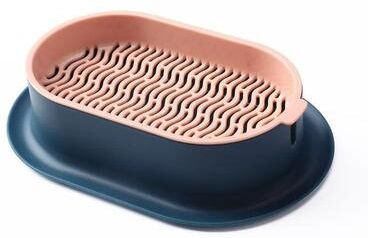
Uplift Essentials Soil Free Hydroponic Cat Grass Planter pinkPromote your pets digestive wellness with a clean, messfree way to grow organic greens at home. This hydroponic cat grass box is a professionalgrade cultivation system designed to provide your feline with a fresh supply of nutrientrich fiber....59,97 $*Shipping: 0,00 $Secure redirect to the provider
-
Why are soil samples taken for possible soil contaminants?
Soil samples are taken for possible soil contaminants to assess the level of pollution and potential risks to human health and the environment. Contaminants such as heavy metals, pesticides, and industrial chemicals can accumulate in soil and pose a threat to ecosystems and human health. By analyzing soil samples, scientists and environmental professionals can identify the presence and concentration of contaminants, determine the extent of contamination, and develop appropriate remediation and management strategies to protect the environment and public health. **
-
What are the small balls on the flower soil?
The small balls on the flower soil are likely to be a type of soil amendment called perlite or vermiculite. These materials are often added to potting soil to improve aeration and drainage, which can help prevent the soil from becoming too compacted and waterlogged. Perlite is made from volcanic glass and is lightweight and porous, while vermiculite is a natural mineral that expands when heated, also improving soil aeration and water retention. Both materials are commonly used in gardening to create a healthier growing environment for plants. **
-
What is the difference between soil erosion and soil degradation?
Soil erosion refers to the physical removal of topsoil by wind, water, or other natural forces, leading to the loss of fertile soil. On the other hand, soil degradation is a broader term that encompasses various processes that deteriorate the quality of soil, such as chemical contamination, compaction, salinization, and nutrient depletion. While soil erosion is a specific type of soil degradation, soil degradation can occur through other means beyond just erosion. **
-
What is soil salinization and how can soil be irrigated?
Soil salinization is the accumulation of salts in the soil, which can negatively impact plant growth and crop productivity. To irrigate soil and help manage salinity levels, farmers can use techniques such as drip irrigation, which delivers water directly to the plant roots in a controlled manner, reducing the risk of salt buildup. Additionally, farmers can implement practices like leaching, where excess water is applied to the soil to flush out accumulated salts, helping to restore the soil's natural balance. **
* All prices are inclusive of VAT and, if applicable, plus shipping costs. The offer information is based on the details provided by the respective shop and is updated through automated processes. Real-time updates do not occur, so deviations can occur in individual cases. ** Note: Parts of this content were created by AI.